Muji is a Japanese retail brand that concentrates on sustainable production and little to none brand design. The organization’s names originate from the Japanese term ‘Mujirushi Ryohin’, which is represented as ‘No Brand. Quality Goods’ and Muji has kept this philosophy to this current day since its establishment in 1980.
Brand Positioning
Brand positioning occurs when a brand is perceived by the consumers and is recognized by them in the marketplace (Belch and Belch, 2001).
Muji has strictly followed its attitude to be a ‘no brand’ brand. This company has continued to produce products with two main qualities; simplicity and minimalization. These qualities attract consumers emotionally as Muji openly invite consumers to share their viewpoint to be environmentally friendly. Yet, this positioning selection has achieved the best outcome for Muji, and it is a sense of community constructed when the consumers and the company share similar values.

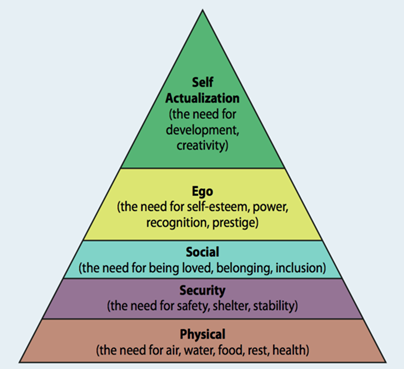
In relation to Maslow’s Hierarchy of needs, most brands in modern society target the Social and Esteem needs of the consumers. However, for Muji, they have selected Self-Actualization as the main target.
Muji produces its products with an environmentally friendly view which is also beneficial towards global consumption. This organization does not make their products that lure consumers into believing that it is the ‘best of its kind’, but instead their products provide a mental sense of satisfaction that it is not the best product, but it is enough.
Segmentation & Targeting
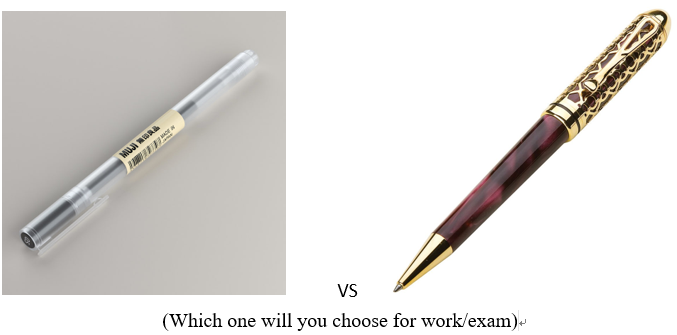
In successive with Muji’s business philosophy, the organization segments and targets several different groups of consumers. Demographically, the majority of Muji’s consumers are between the age of 25-44. In a psychographic aspect, this age group also shares the traits of dislike towards the usage of unnecessary fancy products during work or college. Also, Muji focuses on potential consumers who appraises their environmental-friendly functions and individuals who are in pursue of design-less products
Brand Personality
The idea of Brand Personality plays a significant role in every success of major brands in modern society. It is a proposition that marketers should add human characteristics to a brand so consumers can personify the products to establish a sense of connection and interaction between them (Ahmad 2015).
Since Muji has continued with its ‘no-brand’ brand philosophy, this brand can be identified to have a sincerity personality. This is when the products and services of the brand are classified as ‘down to earth’ as the simplistic design of their products has earned the favor of consumers who pursue simple, inexpensive and efficiency.
Customer Satisfaction

Muji is a brand that develops quietly but immensely, but this brand has insufficient adverting budgets. The organization relies on Apostles; consumers who are highly satisfied with customer service and spreads positive word of mouth to the others around them. Muji communicates with its customers through talks and instore events instead of huge marketing campaigns. As marketing campaigns will clash against their ‘no-brand’ brand ideology and the organization can save budget for further development of their products.
Reference:
Ahmad, A. and Thyagaraj, K. (2015). Understanding the Influence of Brand Personality on Consumer Behavior. Journal of Advanced Management Science, pp.38-43.
Belch, G. E and Belch, M. A. (2001). Advertising and Promotion: An integrated Marketing Communications Perspective, 5th edition. New York: The McGraw-Hill Companies.
Hui Chun Kit 6514923




 CKH376's Blog